Devon Energy · DVN
Devon ends its portfolio review with one sale and sends the cash to buybacks and debt
Devon agreed to sell only Eagle Ford, for $4.2 billion, kept the rest of the business, plans to lift its buyback above $1 billion in the fourth quarter and brought its debt target forward.
3 min read Published on

Published by
Inve Content team
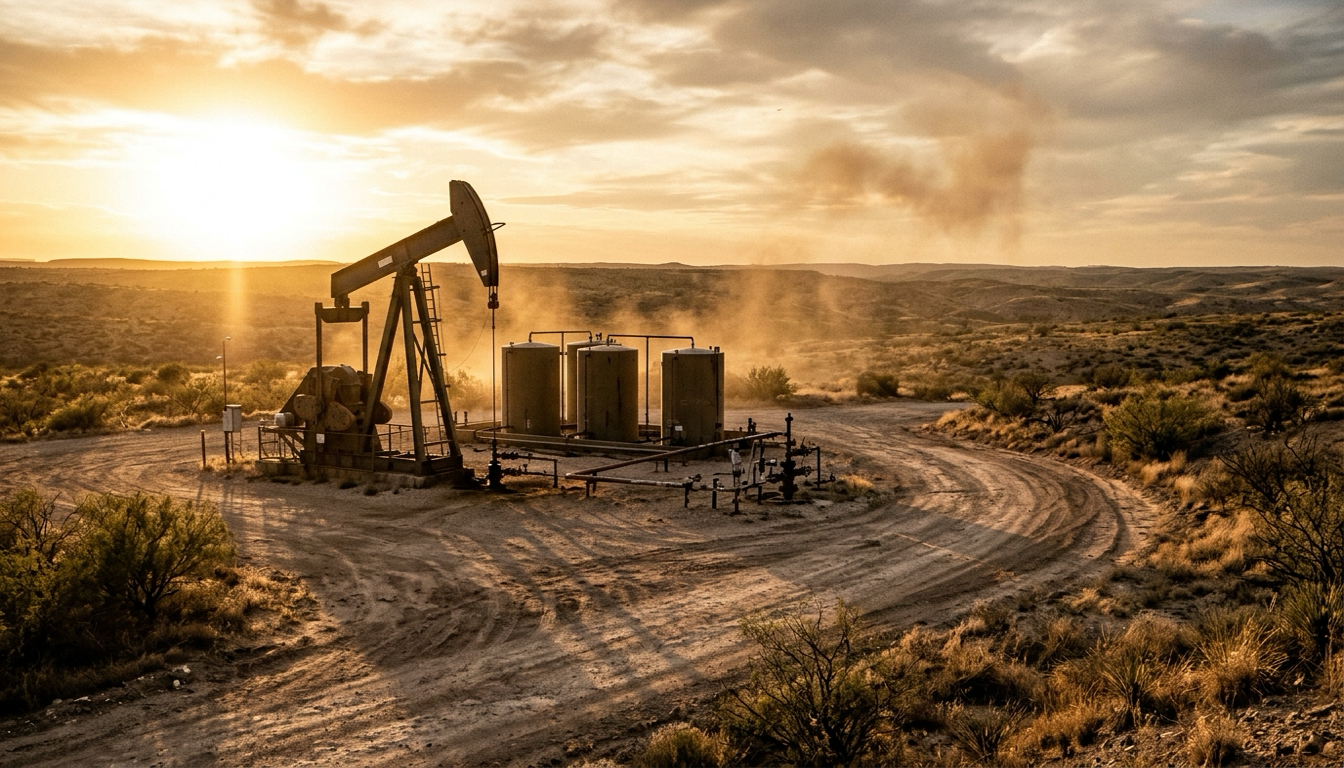
Devon Energy said on 6 November that the review of its assets after the Coterra merger is over, and that it produced a single sale: the Eagle Ford oilfield, for $4.2 billion in cash. Everything else stays. The company will put the money left after taxes into share buybacks and debt repayment once the deal clears regulators and closes early next year.
That is close to the shape management sketched on 5 August. Then, it told holders to expect an update on the review this fall, and Shannon Young, the chief financial officer, laid out an order for any sale money: first a fresh look at the debt target, then buybacks, with an accelerated programme if the proceeds were large. A single large sale, with the money split between those two uses, is what arrived.
The buyback is the most visible part. Devon roughly doubled its repurchases from the partial second quarter to the September 2026 quarter, and Young told analysts: "We expect share repurchases to further increase to more than $1 billion during the fourth quarter, well over doubling again." Stand-alone Devon, a year earlier, had guided a far slower pace per quarter. The company said repurchases should rise again next year, helped by the sale proceeds.
Buybacks roughly doubled last quarter and are guided to more than double again
$m
Share repurchases
- $203 million Q2 2026 (from May)
- $414 million Q3 2026
- $1,000 million Q4 2026, expected (more than)
The debt target kept its size and moved earlier. In August, Young said Devon could reach about $9 billion of total debt by the end of next year, mostly by letting bonds mature. The company now plans to retire more debt and hit that target early next year, using cash flow and the Eagle Ford money. That timetable depends on the sale closing.
Retiring a further $1.5 billion brings debt down to the target, now set for early 2027
$bn
- Outstanding debt, 30 September 2026 $10.6 billion
- Further retirement planned $1.5 billion
- Gross debt target $9 billion
Merger savings follow the same pattern. In May, management called its synergy goal for the end of next year a floor. That end-point is unchanged, but the path to it is steeper: the run rate Devon expects to leave this year with, and its average for next year, were both raised. These are company estimates of savings, not reported results.
Devon raised the synergy steps along the way but left the year-end 2027 goal where it was
$m
Run rate at end of 2026
- $200 million August guide
- $350 million November guide
Average for 2027
- $600 million August guide
- $700 million November guide
Run rate by end of 2027 (at least)
- $1,000 million August guide
- $1,000 million November guide
What the sale leaves behind is set out in a first plan for next year: about 525,000 barrels of oil a day, which the company calls modest growth once Eagle Ford is stripped out of the base, on less capital, it said, than the combined company spent on the same assets this year. Measured against the oil Devon actually produced last quarter, which still included Eagle Ford, that is fewer barrels. The capital figure also leaves out land purchases and the company's stake in the Solitude gas pipeline. The growth itself is a change of view. Clay Gaspar, the chief executive, said Devon had judged a year ago that "the world is pretty saturated in oil", and that the combined inventory now lets it add barrels.
The quarter behind all this landed inside the August guide for oil and total output, with capital at the top of its range. One question from the call is whether a closed review means no more sales. Douglas Leggate of Wolfe Research raised it directly. Gaspar called this the end of a chapter, and said it "in no way means you should never see another opportunity for us to proactively move in the shareholders' best interest".
The record: full financial tables
Financials
Income statement, last 8 quarters
| Quarter end | Sales | YoY | PBT | Net profit |
|---|---|---|---|---|
| Sep 2026 | 6,860 | +58.4% | 1,252 | 1,008 |
| Jun 2026 | 7,417 | +73.1% | 2,384 | 1,911 |
| Mar 2026 | 3,807 | −14.5% | 166 | 120 |
| Dec 2025 | 4,121 | −6.4% | 747 | 562 |
| Sep 2025 | 4,331 | +7.6% | 912 | 687 |
| Jun 2025 | 4,284 | +9.4% | 1,161 | 899 |
| Mar 2025 | 4,452 | +23.8% | 646 | 494 |
| Dec 2024 | 4,403 | +6.2% | 840 | 639 |
Balance sheet
| As of | Equity | Debt | Cash | Fixed assets | Total assets |
|---|---|---|---|---|---|
| Sep 2026 | 42,013 | 11,458 | 352 | 63,182 | 70,814 |
| Jun 2026 | 41,747 | 12,885 | 950 | 63,098 | 70,893 |
| Mar 2026 | 15,428 | 9,385 | 1,763 | 25,598 | 32,543 |
| Dec 2025 | 15,528 | 9,387 | 1,384 | 25,419 | 31,599 |
Cash flow
| Year end | Operating | Investing | Financing | Free cash flow |
|---|---|---|---|---|
| Dec 2025 | 6,711 | −3,393 | −2,730 | 3,119 |
| Dec 2024 | 6,600 | −7,332 | 706 | 2,955 |
| Dec 2023 | 6,544 | −3,942 | −3,184 | 2,661 |
| Dec 2022 | 8,530 | −5,123 | −4,213 | 5,988 |